The Slow Thaw: A Gentle Winter Ritual for Fingers That Overreact to the Cold
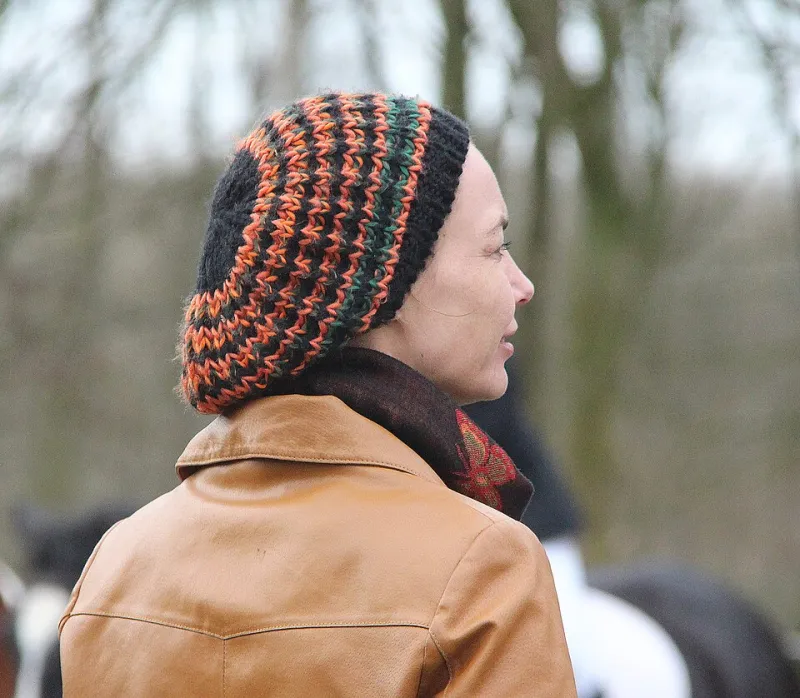
Photo: Peter van der Sluijs, CC BY-SA 3.0, via Wikimedia Commons
There is a particular minute after you come in from a raw British morning. The gloves come off, the kettle goes on, and your fingers feel as if they belong to someone else. For most of us, that is ordinary winter. For some, the cold sets off something more dramatic: fingers that turn white, then blue, then red; numbness that gives way to a hot, throbbing ache. This is not a diagnosis, and it is not a reason to panic. It is a calm look at what may be happening, how to warm up gradually, and when to have a word with your GP.
Ordinary cold hands, or something more?
Most cold hands are simply that. The body sends blood towards the core to protect vital organs, and the fingers and toes are left cooler and stiffer. You might notice pale skin, a bit of clumsiness, and a desire to wrap your hands around the nearest mug. Warm up slowly and the feeling returns.
Raynaud's-type symptoms are different in pattern rather than drama. The fingers or toes may change colour in clear patches, often white first, then blue, then red as the blood returns. There can be numbness, pins and needles, or a burning ache during the warm-up. Episodes are commonly triggered by cold air, cold drinks, touching something chilled, or even stress. It can run in families and is more common in women, but it is not a self-diagnosis to make from a search engine. If you recognise the pattern, keep a note of what happens and talk it through with a GP or pharmacist. A photo of the colour change can be surprisingly useful in a short appointment.
The first minute indoors: do not rush the heat
When fingers are numb, the instinct is to run them under hot water or press them against a radiator. Resist that. Sudden heat can make the returning blood feel much more painful, and very hot water can damage skin that cannot feel properly.
Start with the boring, effective things. Take off damp gloves and any tight cuffs. Dry your hands gently. Wrap yourself in a blanket or put on an extra layer, because warming the core helps the body feel safe enough to send blood back out to the extremities. Hold a warm mug, not a scalding one. Run comfortably warm water over your hands if that helps, testing it with your elbow first, and keep it brief. Gentle movement is better than vigorous rubbing: open and close your fists, circle your arms, or press your palms together. Rubbing hard can irritate skin and does not speed up the deeper warming process.
A small winter kit by the door
Practical prevention beats heroic thawing. Keep a pair of gloves by the front door and another in your bag, because the forgotten glove is a very British problem. Mittens tend to be warmer than fingerless gloves, and a thin liner pair can be worn under thicker ones. A hat matters too; you lose heat from your head and face, and the body's overall warmth affects how your hands behave. Warm socks and dry shoes are part of the same plan.
At home, keep the rooms you use at a sensible temperature, and keep a blanket near the sofa. Hand warmers can be useful outdoors, but follow the instructions and do not put them directly against bare skin, especially if sensation is reduced. Check that coat cuffs, watch straps and rubber gloves are not too tight. A little looseness lets the blood move.
Habits that help rather than hurt
Smoking narrows blood vessels and is one of the most consistent things to avoid if your hands overreact to cold. Caffeine affects people differently; you do not need to ban tea, but notice whether a strong coffee makes your fingers feel tighter. Alcohol can make you feel warm while actually lowering core temperature, so it is not a reliable winter warmer. Stress is a genuine trigger for many people, which is why a slow breath or a short pause before rushing out can be more useful than it sounds.
Move regularly rather than in one heroic burst. A short walk, a few arm swings, or simply standing up from the desk can help circulation. Eat regular meals and keep hydrated; the body works better when it is not running on empty. If you take medication for blood pressure or another long-term condition, do not stop it on your own. Ask a GP or pharmacist whether cold hands could be a side effect worth reviewing.
When to book a GP conversation
Most cold hands can be managed with warmth and patience. But some symptoms deserve a proper look. Book an appointment if you develop sores, ulcers or infections on the fingers or toes; if the colour changes are severe, frequent, or slow to settle; if only one side of the body is affected; or if the symptoms are new and unusual for you. Associated symptoms such as joint pain, rash, dry eyes or mouth, breathlessness, swollen fingers or unexplained tiredness are also worth mentioning. These do not automatically mean something serious, but they are the kind of clues a GP can assess properly.
A gentle plan for a cold snap
Before you leave the house, warm up with a hot drink and a layer you can remove later. Put gloves on before you step outside, not after your hands are already cold. Keep your hands dry where you can. During an episode, sit down, wrap up, and let the warmth come back slowly. A warm drink, a blanket and gentle fist-opening are enough. Do not rub hard, do not use boiling water, and do not ignore a finger that stays painful, pale or discoloured after the rest of you has warmed up.
The aim is not to perform winter perfectly. It is to build a small, kind routine for hands that feel the cold more intensely than most. Warm the core, protect the edges, thaw slowly, and ask for help when the pattern changes. That is a sensible British winter habit, and a soothing one too.