Air Without the Arctic: A Calm, Heat-Saving Plan for Damp British Rooms
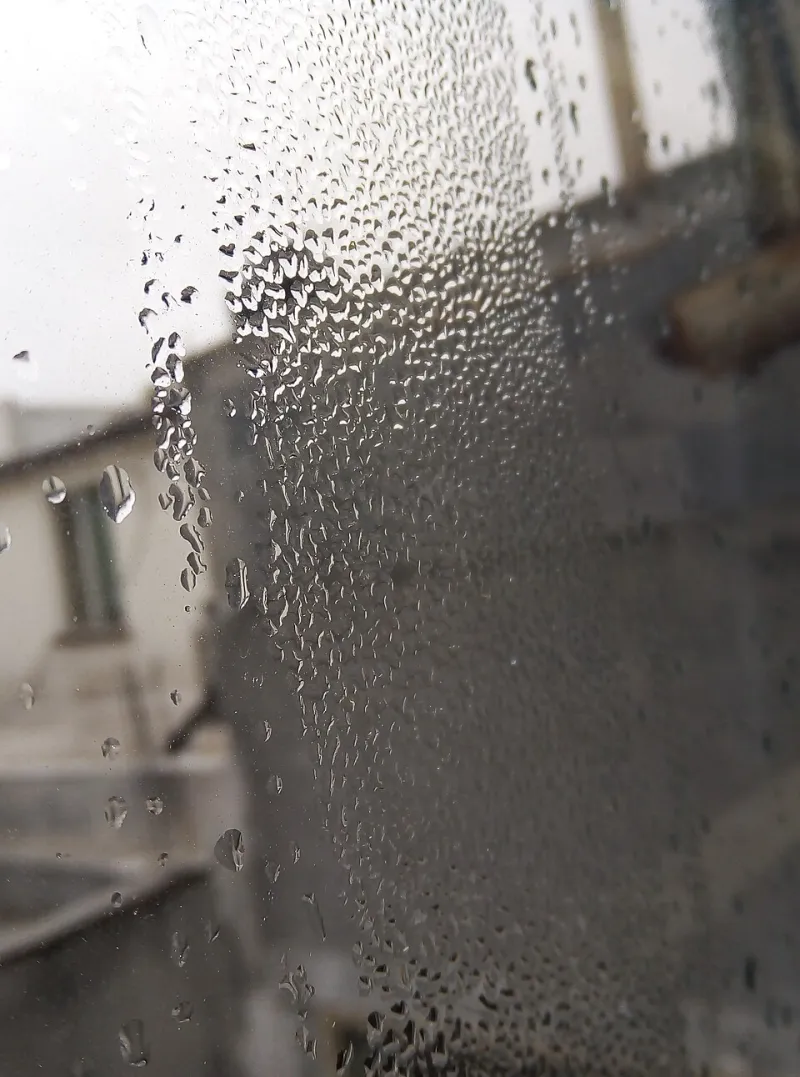
Photo: Doggo19292, Public domain, via Wikimedia Commons
November has a way of making British homes feel close. The windows stay shut, the radiator comes on, and by evening the kitchen window is wearing a film of condensation. It is tempting to think the answer is either more heat or a dramatic blast of Arctic air. In practice, the useful middle ground is short, controlled ventilation — air exchange without turning the sofa into a draught channel.
Draughts and air exchange are not the same thing
A draught is uncontrolled cold air finding its way through gaps, old frames or a door you have not quite closed. It chills you, but it does not reliably clear moisture. Air exchange is deliberate: you open a window, use an extractor fan or rely on a trickle vent so that stale, humid air leaves and drier air comes in.
The goal is not to freeze the room. It is to move moist air out before it settles on cold surfaces. That distinction matters in a damp British home, because adding heat without ventilation can make the air feel warmer while leaving the moisture problem untouched.
Why damp rooms need a little airflow
Everyday life adds water vapour to the air. Showers, cooking, breathing, drying laundry and even boiling the kettle all contribute. When that warm, moist air meets a cold wall, window or mirror, it condenses. Over time, repeated condensation can feed mould and make a room feel clammy.
Ventilation lowers indoor humidity by replacing moist air with drier outdoor air. It is not a cure for every kind of damp, but for ordinary condensation it is one of the simplest and most sensible tools we have. Heating alone is not enough: warm air can hold more moisture, but if it keeps meeting cold surfaces, the condensation will keep coming back.
The short-burst method
You do not need to leave windows open all day. In chilly weather, a short burst of cross-ventilation is often more efficient than a permanent crack that cools the walls and wastes heat. Try five to ten minutes, two or three times a day, opening windows on opposite sides of the home where you can. Open internal doors so air can move through, then close everything again.
If you have trickle vents on windows, keep them open unless there is a good reason not to. They are designed for background ventilation and are far less wasteful than flinging a sash window wide for hours. In the bathroom and kitchen, use extractor fans during and for about ten to fifteen minutes after showering or cooking. Close the bathroom or kitchen door while the fan runs so moist air is pushed outside rather than pulled through the rest of the house.
Flats, houses and the rooms that struggle
Flats can be trickier because there may be only one or two external walls. Prioritise the bathroom, kitchen and any room where laundry dries. If you have trickle vents, do not block them to stop draughts; that often trades a small chill for a larger damp problem. If your flat has a communal extractor system, report it if it seems weak or noisy.
Houses have more options for cross-ventilation, but the same rooms matter most. A cheap hygrometer can help you see what is happening rather than guessing. Many indoor spaces sit comfortably around 40 to 60 per cent relative humidity; consistently higher readings in a cold room are a prompt to look at ventilation, laundry habits and possible leaks. Do not obsess over the number, though. Use it as a gentle clue, not a medical diagnosis.
Laundry, showers and saucepans
Drying washing indoors is one of the biggest condensation culprits in UK homes during autumn and winter. Dry clothes outside when you can, or in a room with an extractor fan and the door closed. Avoid draping wet washing over radiators in an unventilated room; it puts moisture straight into the air.
When cooking, use pan lids and the extractor fan. When showering, keep the fan on and the door shut. Small habits add up. So does leaving a window slightly open in a steamy bathroom after use, if security and temperature allow.
When condensation is a symptom, not the whole story
Not all damp is condensation. Persistent damp patches, peeling paint, a musty smell, water stains or mould that returns quickly after cleaning can point to leaks, rising damp, poor drainage or insulation problems. Black mould can affect indoor air quality and may worsen symptoms for people with asthma or allergies. If mould keeps returning despite sensible ventilation, or if anyone in the home has breathing problems, seek professional advice. A landlord or letting agent should be told about persistent damp and mould.
A gentle daily routine
In the morning, open bedroom windows for five to ten minutes while you get dressed. After a shower, leave the extractor fan running and the bathroom door closed. While cooking, use the fan and a lid. In the evening, if the windows are dry, try a short cross-breeze before drawing the curtains. If condensation is heavy, do not ignore it; work out which activity is adding the moisture.
Sensible caveats
Cold outdoor air can trigger symptoms for some people with asthma, so ventilate rooms they are not sitting in, or keep the burst short. Think about security and children before leaving windows open. On days when outdoor air quality is poor, or when pollen is high for allergy sufferers, be guided by how the air feels and keep bursts brief. And remember that ventilation is a partner to heating, not a replacement for fixing leaks or insulation.
If damp or mould is affecting your health, your sleep or the fabric of your home, it deserves more than a window crack. A calm, consistent routine is a good start — and professional help is a sensible next step when the problem keeps coming back.