Warmth, Wisely: What a Hot Water Bottle Can and Can’t Do for Aches, Cramps and Cold Feet
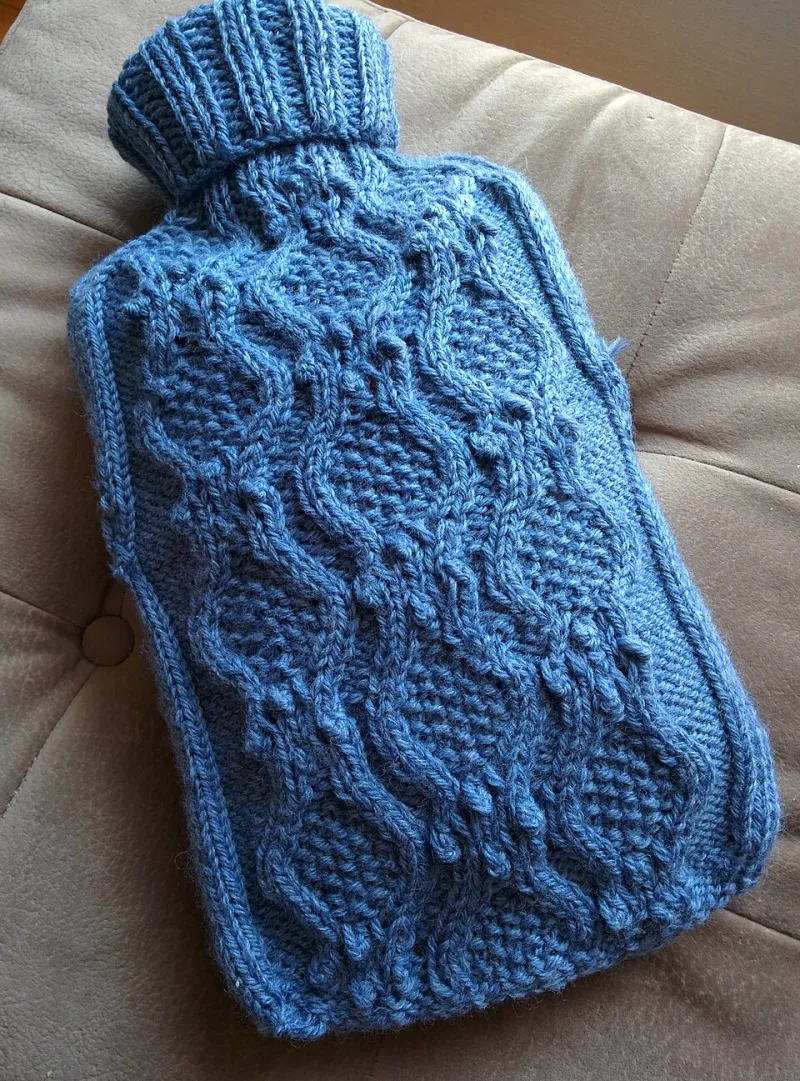
Photo: Kara Babcock, CC BY 2.0, via Wikimedia Commons
There are few more British comfort rituals than filling a hot water bottle on a cold evening, wrapping it in an old jumper and settling down. It is cheap, familiar and deeply soothing. But like many household remedies, it works best when we are clear about what it can do, what it cannot do, and when it is the wrong tool for the job.
The comfort is real, even if it is not a cure
Warmth can relax tense muscles, increase blood flow to the skin and make a stiff area feel easier to move. For some people, that translates into genuine relief from period cramps, everyday muscle tightness or the morning stiffness that comes with osteoarthritis. It is not a treatment for the underlying condition, and it will not repair a damaged joint or clear an infection. Think of it as a comfort measure that can help you feel more at ease while you recover or manage a long-term problem.
What warmth can realistically help
Heat is often useful for muscular aches and stiffness. A warm compress or hot water bottle on a tight shoulder or lower back may help you relax and move more comfortably. For period pain, warmth on the lower abdomen can be soothing, though it is not a substitute for pain relief if you need it. Cold feet from a cold room are another sensible use: warming the feet and then layering socks can help you settle.
Some people with Raynaud’s phenomenon find warmth helpful, but they need to be careful. If fingers or toes are numb or white, warm them gradually rather than pressing them against very hot water. Sudden or severe colour changes, pain or sores need medical advice.
What it cannot fix
A hot water bottle cannot cure arthritis, heal a torn muscle or treat a blood circulation disorder. It should not be used on an acute injury in the first 48 hours if there is swelling, because cold is usually more appropriate then. It is also not a way to push through pain. If an ache is severe, persistent or getting worse, warmth may mask it for a while but will not tell you what is wrong.
Safety matters more than cosiness
Hot water bottles can cause serious burns, especially when they are old, overfilled or used directly against the skin. Check the bottle before each use: look for cracks, perishing, a stiff or leaking stopper, and check the manufacturer’s date. Many bottles are marked with a flower or year and should be replaced regularly — often every two years — but follow the specific instructions that came with yours. Fill with hot, not boiling, water, leave room for the stopper and squeeze out excess air according to the instructions. Always use a cover, and never sit or lie directly on the bottle.
For adults, a sensible limit is around 15 to 20 minutes in one spot, then move it or take a break. Check the skin underneath. Do not fall asleep with a hot water bottle in bed; the risk of burns rises when you are not awake to notice. Do not use one alongside an electric blanket in a way that traps heat or damages the bottle.
For babies and young children, hot water bottles are not suitable in cots or beds. Older children should only use one with adult supervision, a proper cover and a bottle that is not too hot. Older adults, people with diabetes, neuropathy, poor circulation or reduced sensation need to be especially cautious because they may not feel a burn developing. The same applies to anyone with a skin condition that makes the skin fragile or numb. If you are pregnant, avoid placing a hot water bottle on your abdomen and ask your midwife if you are unsure.
If a hot water bottle is not suitable
There are plenty of gentler alternatives. A warm bath or shower, layered clothing, thick socks, a blanket and a warm room can all help without direct heat on the skin. Gentle movement — a short walk around the house, some shoulder rolls or a few minutes of stretching — can improve circulation and reduce stiffness. A microwave wheat bag can feel similar, but it carries the same burn risks and needs the same caution. Electric heat pads with automatic shut-off are another option for some people, but check the instructions and avoid using them on numb skin. For pain, a pharmacist can advise on over-the-counter options that are suitable for you.
Cold feet that deserve a conversation
Cold feet are often just a response to a cold room, but persistent cold intolerance can have other causes. An underactive thyroid, anaemia, diabetes, peripheral arterial disease and some medicines can all affect temperature regulation or circulation. Seek medical advice if cold feet come with colour changes, numbness, sores that will not heal, pain at rest, or if one limb suddenly becomes cold and pale. Feeling unusually cold all the time, alongside fatigue or weight change, is also worth mentioning to a GP.
Aches that need more than warmth
Most everyday aches settle with time, rest and sensible comfort measures. But see a GP if joint pain is persistent, if a joint is hot, red or swollen, if you have a fever, if you cannot bear weight, or if morning stiffness lasts more than 30 minutes and keeps returning. Persistent pain, numbness or weakness should not be self-managed indefinitely with a hot water bottle.
A simple audit before you fill the kettle
The hot water bottle is a lovely thing, but it is not a magic wand. Check its age, use a cover, keep it away from bare skin and do not sleep on it. Use it for comfort, not as a substitute for assessment. And if your body is telling you something new or persistent, let that be the prompt for a calm conversation with a GP rather than another refill.