Leaves in the Kettle: A Sensible Winter Guide to Nettle, Elderberry and Ginger
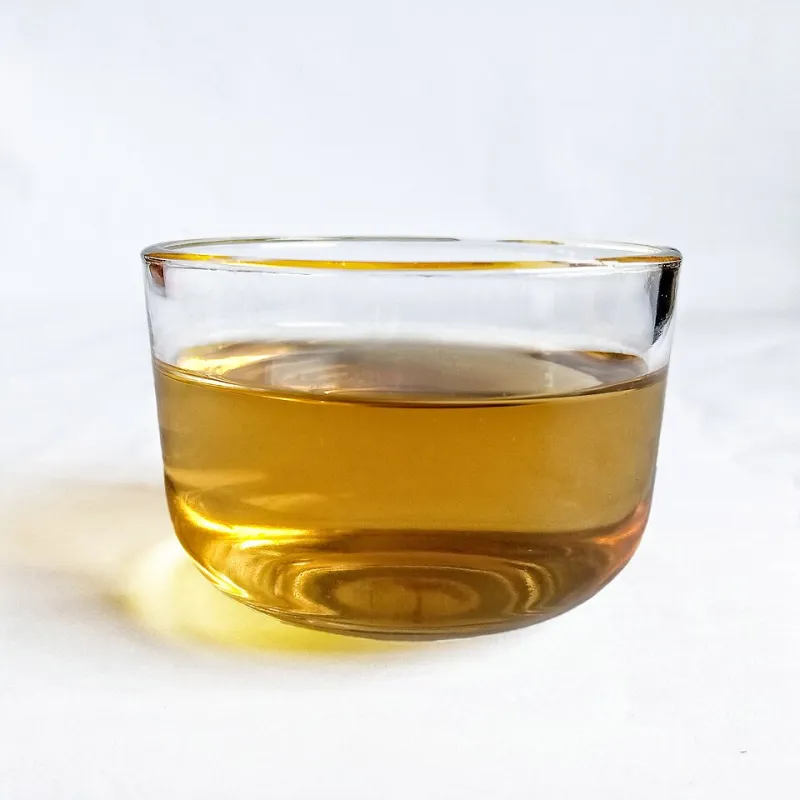
Photo: PagesAndPathsPH, CC0, via Wikimedia Commons
November has a way of making the kettle the most important appliance in the house. The light is thin, the windows are steamy, and a cup of something leafy and warm feels like a small act of care. Nettle, elderberry and ginger are three of the botanicals UK readers reach for most when they feel run down. They are pleasant, affordable and easy to find. They are also surrounded by claims that are, frankly, more enthusiastic than the evidence.
This is not a case for sneering at herbal teas. Comfort matters. Hydration matters. Taking five minutes to sit down matters. But it is worth knowing which parts are reliable, which are traditional, and which are simply good marketing.
Why a warm drink feels so good
A hot drink can ease a scratchy throat, warm cold hands and give structure to a formless sick day. The steam may temporarily loosen a stuffy nose. The ritual is calming. If you are feverish or off your food, sipping regularly also helps with hydration, which is genuinely important.
That said, very hot drinks are not kind to an inflamed throat. Let the cup cool a little. And if you are vomiting or sweating heavily, tea alone may not be enough; oral rehydration salts from a pharmacy are more useful than a delicate herbal blend. Herbal tea is a comfort, not a replacement for proper fluids or medical care.
Nettle: the quiet green standby
Nettle leaf tea is often sold as a gentle tonic for joints, allergies and general sluggishness. Traditional use is long, but robust clinical evidence is thin. It is not a reliable treatment for hay fever, arthritis or fatigue. What it does offer is a pleasant, grassy cup and a gentle nudge to pause.
There are practical cautions. Nettle can act as a diuretic, so it may increase urination. If you take blood pressure medicines, diuretics or lithium, or if you have kidney problems, ask a pharmacist before making it a daily habit. Avoid excessive amounts in pregnancy. The tea is usually mild, but mild does not mean risk-free.
Elderberry: popular, promising, not a cure
Elderberry has become the headline act of winter supplements. Some studies suggest certain elderberry preparations may modestly shorten cold symptoms, but the evidence is mixed and product quality varies enormously. It is not a vaccine, it will not stop a virus in its tracks, and it should not replace prescribed treatment.
Safety matters here too. Raw or unripe elderberries can cause nausea and vomiting, so use only properly prepared commercial products or cooked berries. Many syrups are high in sugar. If you have an autoimmune condition, take immunosuppressants, or are pregnant or breastfeeding, check with a pharmacist or GP before using concentrated supplements. For most people, an occasional cup of elderberry tea is a comfort rather than a medicine.
Ginger: the kitchen standby with a clear niche
Ginger is the most straightforwardly useful of the three. There is reasonable evidence that ginger can help with nausea, including motion sickness and some pregnancy-related nausea. It is not an antiviral and it will not clear a chest infection, but a warm ginger infusion can settle a queasy stomach and feel soothing on a cold day.
Use fresh root, sliced and steeped in hot water, or a good-quality teabag. Keep it modest if you have reflux or a sensitive stomach. Ginger can interact with anticoagulants such as warfarin, and high doses are best avoided before surgery. If you are pregnant, culinary amounts are generally fine, but check with your midwife before taking concentrated supplements.
A low-risk winter routine
A sensible herbal routine is small and repeatable. Choose one cup after breakfast or in the early evening, not a continuous drip of strong brews all day. Rotate between nettle, ginger and a plain black tea if you like variety. Keep an eye on added sugar in syrups and instant powders. Buy from reputable suppliers and follow the label.
Think of the cup as a pause with a pleasant flavour, not a dose of medicine. Keep water nearby. Eat something if you can. Take paracetamol or ibuprofen only as directed if you need them, and check they are suitable for you. If you are on regular medication, a quick conversation with a community pharmacist is a sensible step before adding a daily herbal tea.
Red flags and interactions
Herbal does not mean harmless. Seek urgent help for breathlessness, chest pain, confusion, fainting, a fever that will not settle, signs of dehydration or symptoms that are rapidly getting worse. In the UK, NHS 111 can advise, and 999 is for emergencies.
Ask for advice if you are pregnant or breastfeeding, have kidney or liver problems, a bleeding disorder, or are due to have surgery. Children should not be given herbal remedies without professional advice, and honey should not be given to babies under one. If a supplement promises to prevent or cure winter illness, treat that claim with suspicion.
The honest bottom line
Nettle, elderberry and ginger can make a cold afternoon feel more bearable. They can support hydration and offer a calming ritual. Ginger has a modest, useful role for nausea. Elderberry may have some benefit for cold symptoms, but the evidence is not strong enough to call it a cure. Nettle is mostly a gentle, pleasant tea.
None of them is winter armour. The reliable basics are still sleep, food, fluids, fresh air, vaccination where offered, and asking for help when you need it. A warm cup is a lovely thing. Just let it be a warm cup.