A Seat by the Radiator: Finding Your Local Warm Space Without the Fuss
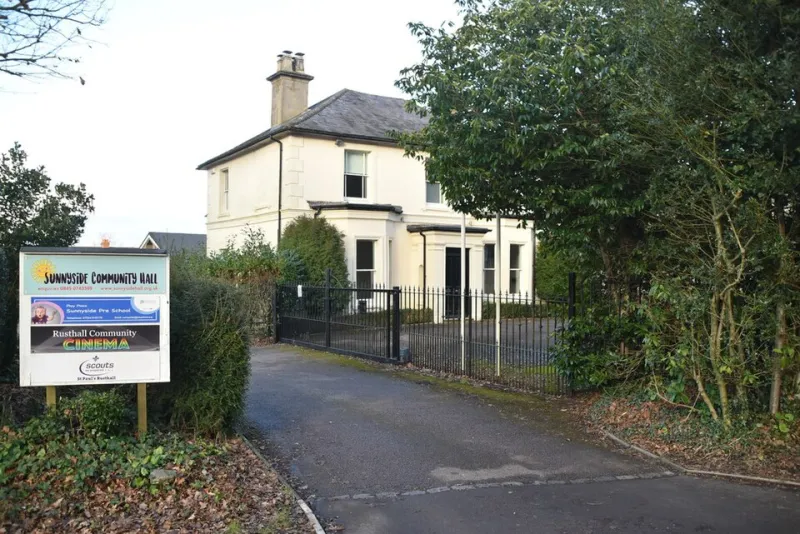
Photo: N Chadwick , CC BY-SA 2.0, via Wikimedia Commons
Winter has a way of making the indoors feel like a second job. You watch the meter, you move the washing, you close the curtains at half past three and wonder whether the heating has done enough. If that sounds familiar, a warm space is not a dramatic intervention. It is a room down the road with the radiators on, a kettle somewhere, and no expectation that you explain yourself at the door.
What a warm space actually is
In the UK, warm spaces are usually ordinary buildings that have opened their doors a little wider for the colder months: libraries, community centres, church halls, village rooms, sometimes a café or a housing association lounge. Some are run by councils, some by charities, some by a handful of volunteers who have put a sign on the gate. The Warm Welcome network and many local councils list them, but the picture changes street by street. That is the first sensible caveat: there is no single national rulebook.
Some warm spaces are quiet rooms for reading. Some are chatty. Some offer soup, a charging point or advice. Others simply offer a chair and a warm radiator. None of that is a test of need. You do not have to be at the end of your rope to use one. You can be someone who works from home in a cold flat, a pensioner keeping the heating low, a parent with a toddler and an hour to fill, or a person who just wants to be around other people for a bit.
Before you go: check ahead, gently
A quick phone call or a look at the local council website can save a wasted walk. Ask the plain questions: Is it open to anyone? Do I need to book? Is there a charge? Is the room step-free? Are dogs allowed? Is there a quiet corner? Opening times can change at short notice, especially around Christmas and New Year, and a room that was a warm hub last winter may be a toddler group this year. Local variation is real, so check the specific place rather than relying on a national list.
If you are worried about money, heating or debt, it is also worth asking whether advice workers visit. Many warm spaces link up with Citizens Advice or local energy advisers. That is not the price of entry; it is just another thing some rooms offer.
What to bring
Bring less than you think. A warm layer you can take off is more useful than a hot water bottle. A phone charger, your usual medication, a book or something to do with your hands, and a refillable cup if you fancy a brew are plenty. If you are going for an hour, a small bag is easier than a suitcase. If you use a walking stick or a wheelchair, ask about access before you set off. If you are sensitive to noise, ask whether there is a quieter time.
You do not need to bring a reason. You certainly do not need to bring a story about why you are there. The point of a warm space is that it is a room, not an interview.
How to use an hour well
An hour in a warm room can do more than take the chill off your fingers. It can break up a long day, give you somewhere to charge your phone, or put you within reach of a conversation. A simple rhythm helps: arrive, take off your coat, find a seat, and let yourself settle for ten minutes before deciding what you need. Read. Do a crossword. Ask the volunteer where the loo is. If you want company, sit near the kettle. If you do not, choose the corner. Both are allowed.
If you are using the time to work, keep it small. A warm space is not a co-working hub with a guarantee of silence. If you need to make calls, ask whether there is a quiet room. If you are there with children, check whether there are toys or a play corner before you promise anything.
The hour is not a productivity challenge. It is a way to stop the cold from making every decision for you. If you leave warmer, a little less alone, or simply less frazzled, it has done its job.
The quiet caveats
Warm spaces are not a substitute for a safe, warm home, and they are not a fix for every problem. They are one practical layer. If your home is damp, your heating is broken, or your bills are unmanageable, tell someone — a council housing officer, an energy adviser, a GP receptionist if it is affecting your health. There is no shame in any of it. The UK's winter advice is patchy and local, so the most useful thing you can do is ask the specific room down the road what it can offer today.
And if you go once and it is not for you, that is fine. Try another. A library might suit you better than a church hall. A chatty café might suit you better than a silent room. The warm room down the road is not a last resort. It is just a sensible option.